Case Study 06
CLOG
A Book Series Exploring the Subjects Most Relevant to Now
Overview
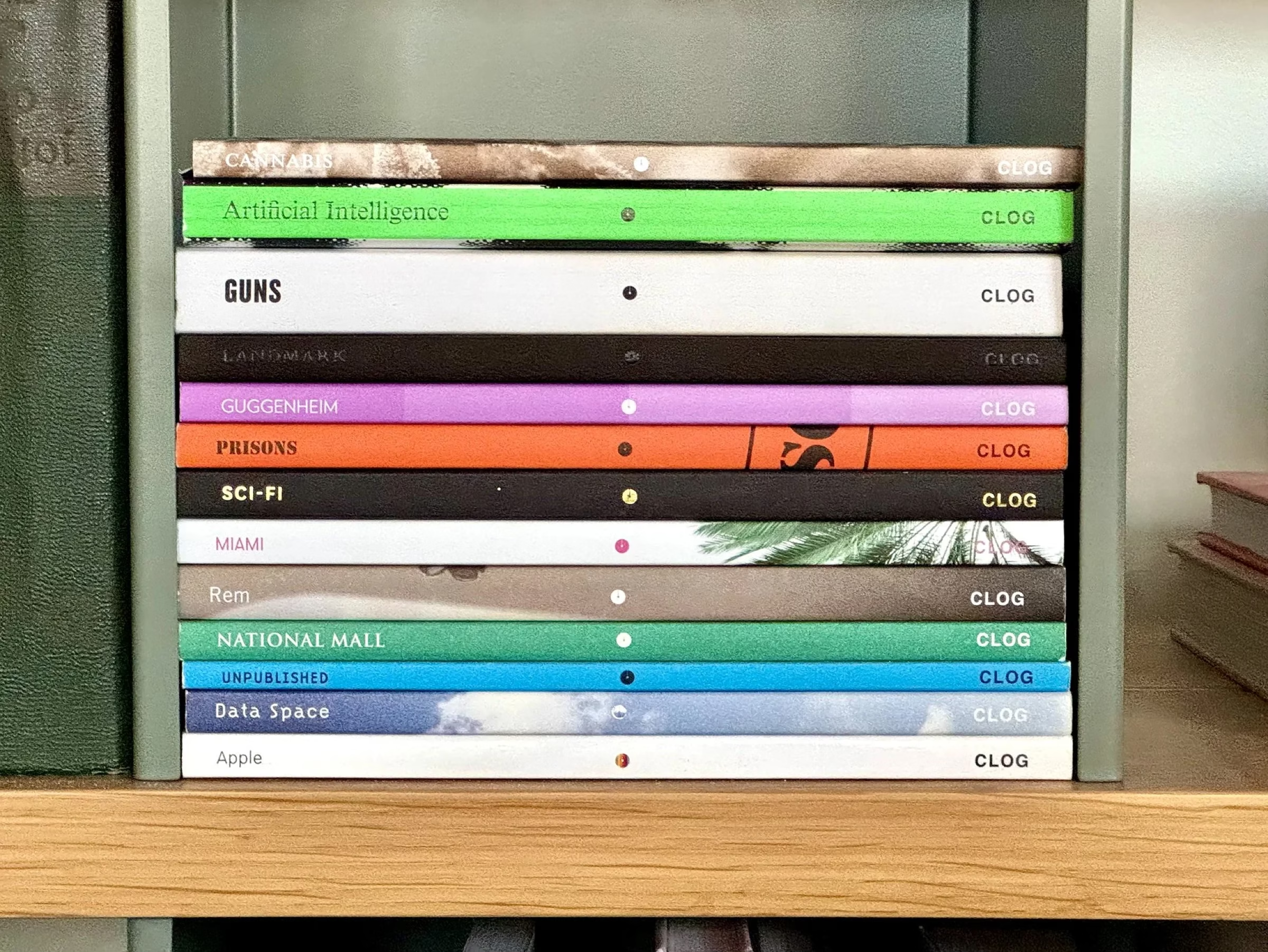
CLOG is a book series that explores, from multiple viewpoints and through a variety of means, a single subject particularly relevant to now. The CLOG X series expanded the publication's editorial scope from architectural reflection into broader culturally significant design topics.
Beginning in 2015, I contributed as editor, author, interviewer, researcher, and designer across four issues, each tackling a topic selected annually by the editorial board. The work required deep research, contributor management, editorial discipline, and a commitment to political neutrality on often contentious subjects.
Challenge
Produce one issue per year on a topic determined by the editorial board, with full responsibility for research, interviews, writing, editing, and design. Each issue demanded rapid subject-matter expertise, contributor relationships, and the ability to represent complex, sometimes polarizing topics with nuance and integrity.
Issue 15: Guns
(2017)
The most culturally sensitive issue of the series. I conducted extensive field research with manufacturers, enthusiasts, sportspeople, and opponents of gun culture, authoring two articles and handling copy editing for the issue.
The work required strict political neutrality during an intensely turbulent cultural period. The manuscript went through multiple revision cycles to incorporate updated statistics as events unfolded in real time. The challenge wasn't just editorial. It was maintaining the publication's integrity in the face of outside pressure.
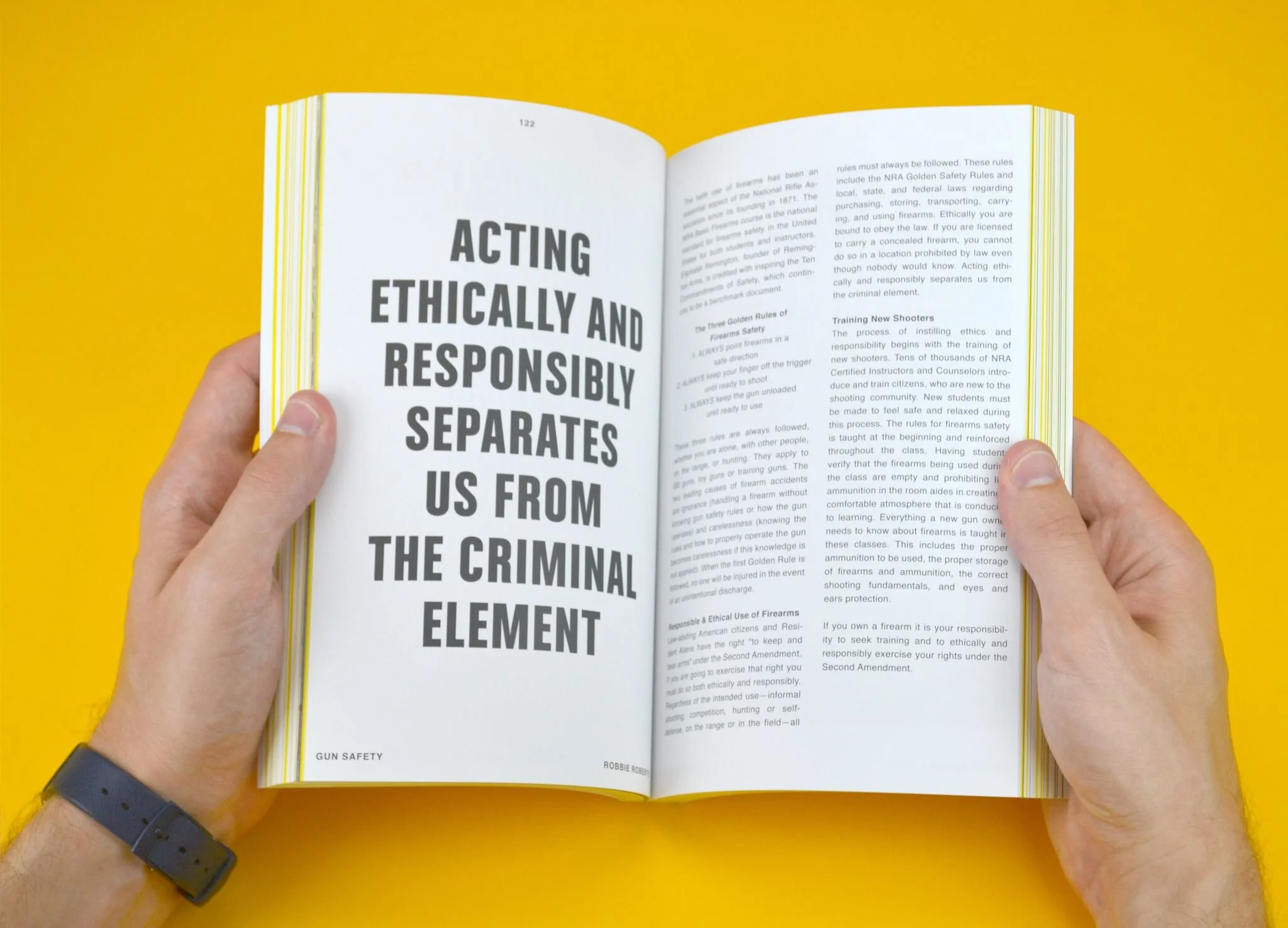
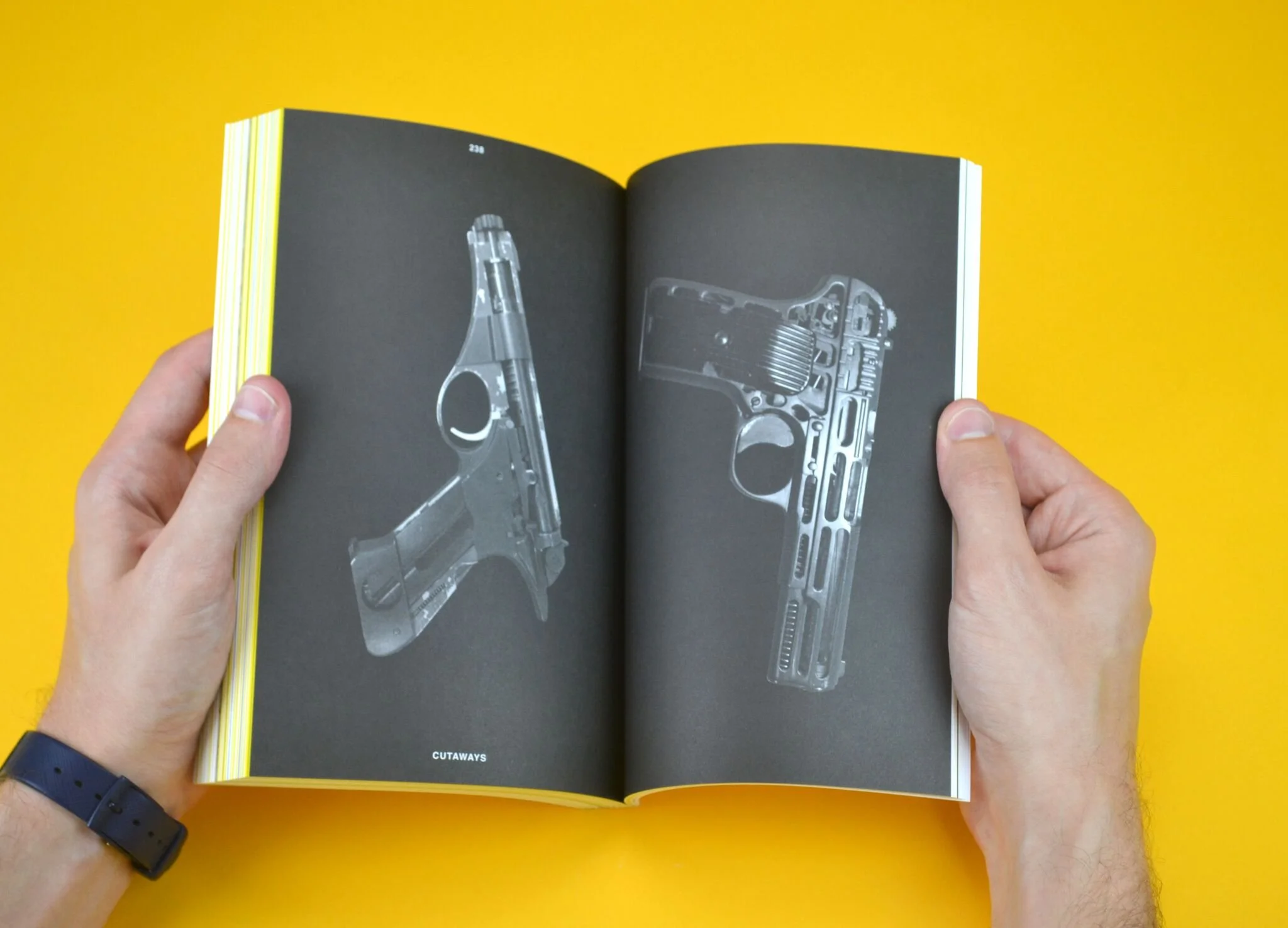
Interior spreads from CLOG × Guns, 2017
Issue 16: Artificial Intelligence
Recruited data scientists and subject-matter experts to contribute to an issue exploring the emerging landscape of machine learning and AI. I conducted in-depth interviews on topics ranging from language models and data vectorization to theoretical general AI emergence.
A standout conversation was with Yakov Kronrod, a computational linguist at Amazon, which deepened my understanding of how language models process and represent meaning. This issue directly shaped my later interest and expertise in designing agentic experiences, work that continues today at CAS.
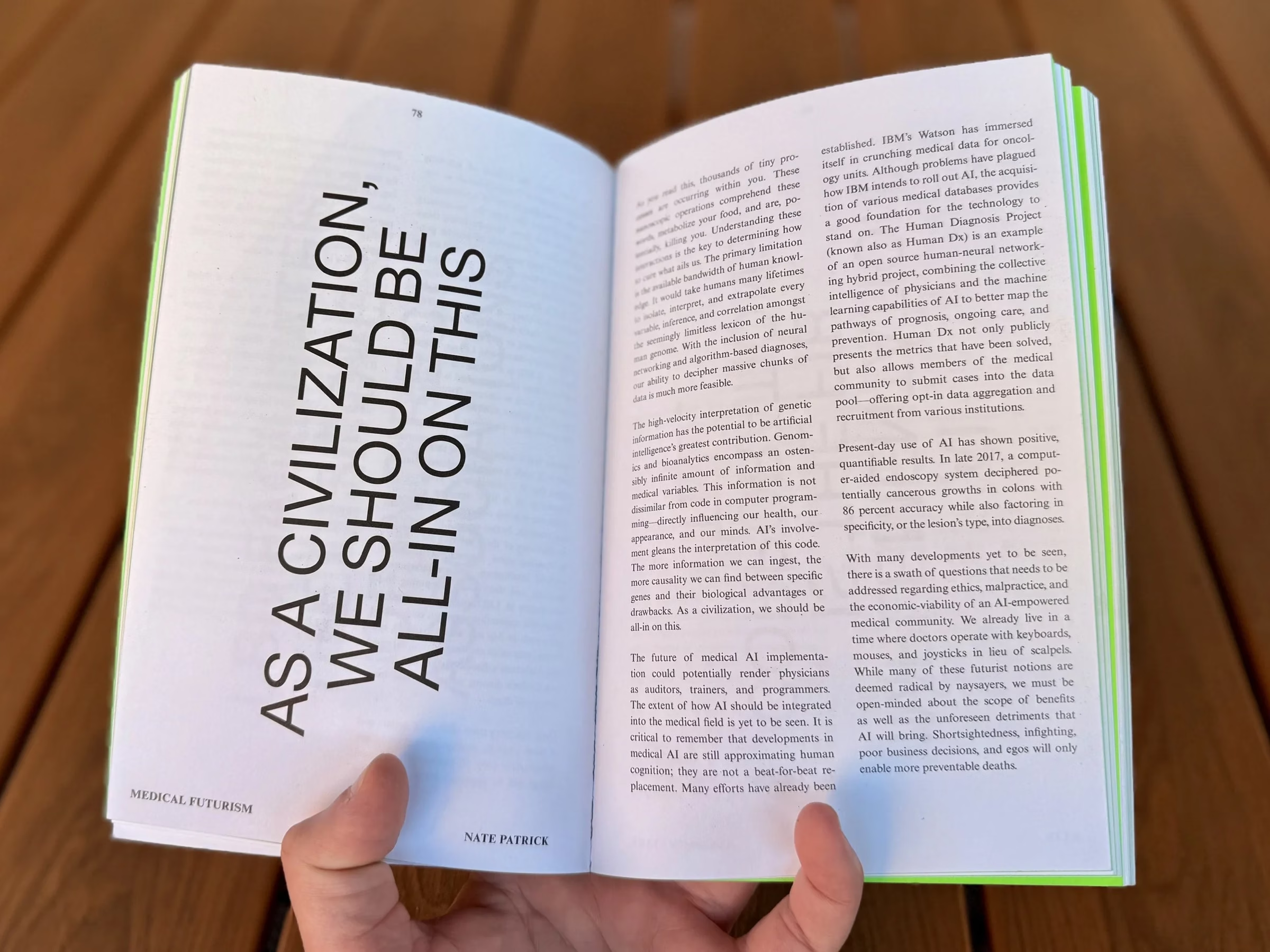
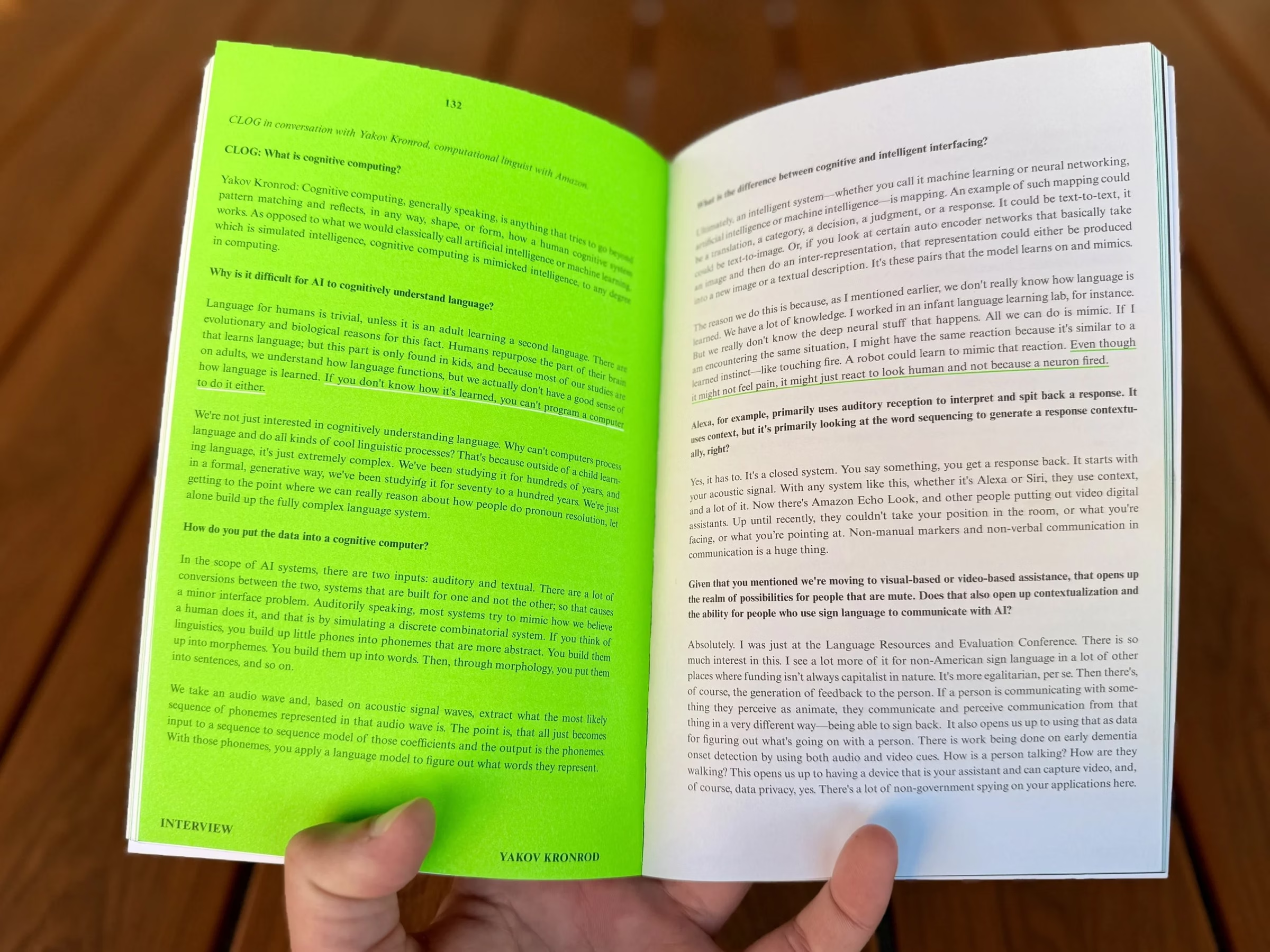
Interior spreads from CLOG × Artificial Intelligence
Issue 17: Cannabis
Released during the early stages of cannabis legalization and the beginning of the COVID-19 pandemic. The timing made traditional promotion and distribution nearly impossible, with in-person events cancelled and the editorial team transitioning to fully remote operations.
I interviewed Mark Nye, Director of Compliance for Ohio's Medical Marijuana Control Program, navigating a regulatory landscape that was actively evolving as the issue went to press.
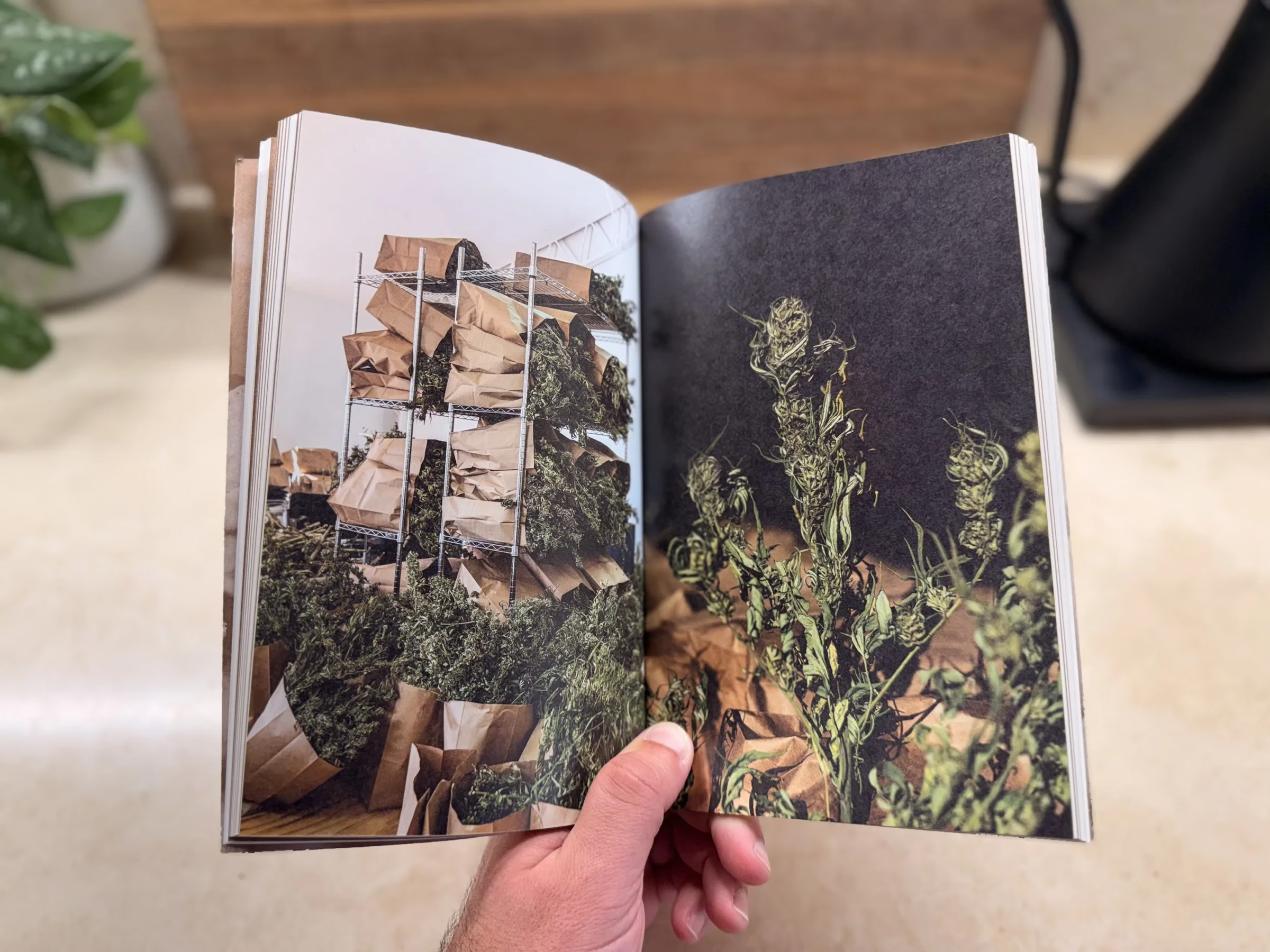
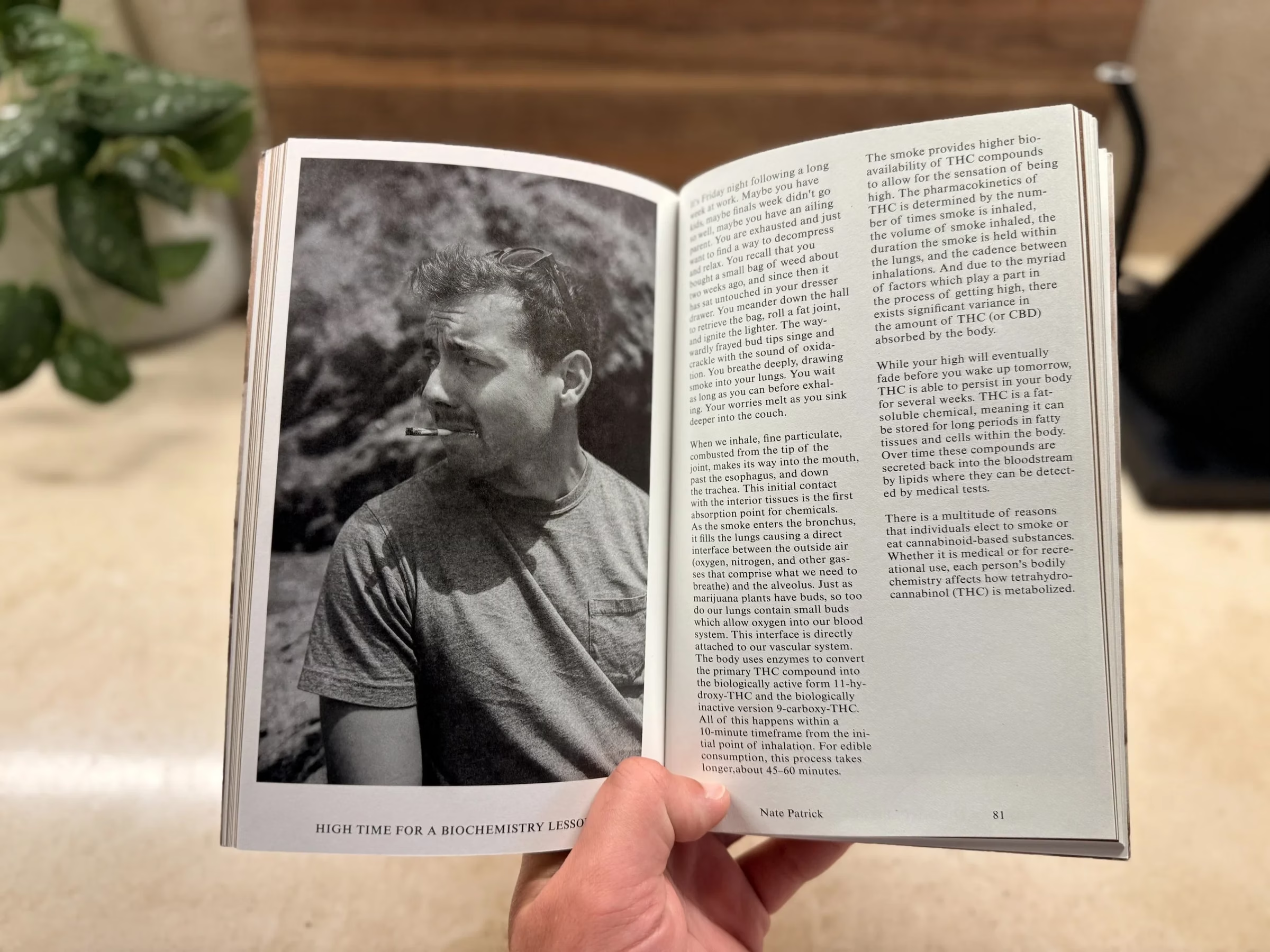
Interior spreads from CLOG × Cannabis
Issue 18: Feeds
(Final Issue)
The final issue of the CLOG X series was also its most forward-looking: the first to be produced exclusively in digital format for e-readers and tablets. The issue explored the role of social media feeds and misinformation during a period of unprecedented pandemic-driven isolation.
Distributed through Apple Books, Google Books, and Kindle, this marked a deliberate shift in how CLOG reached readers, meeting audiences in the digital environments the issue was examining.
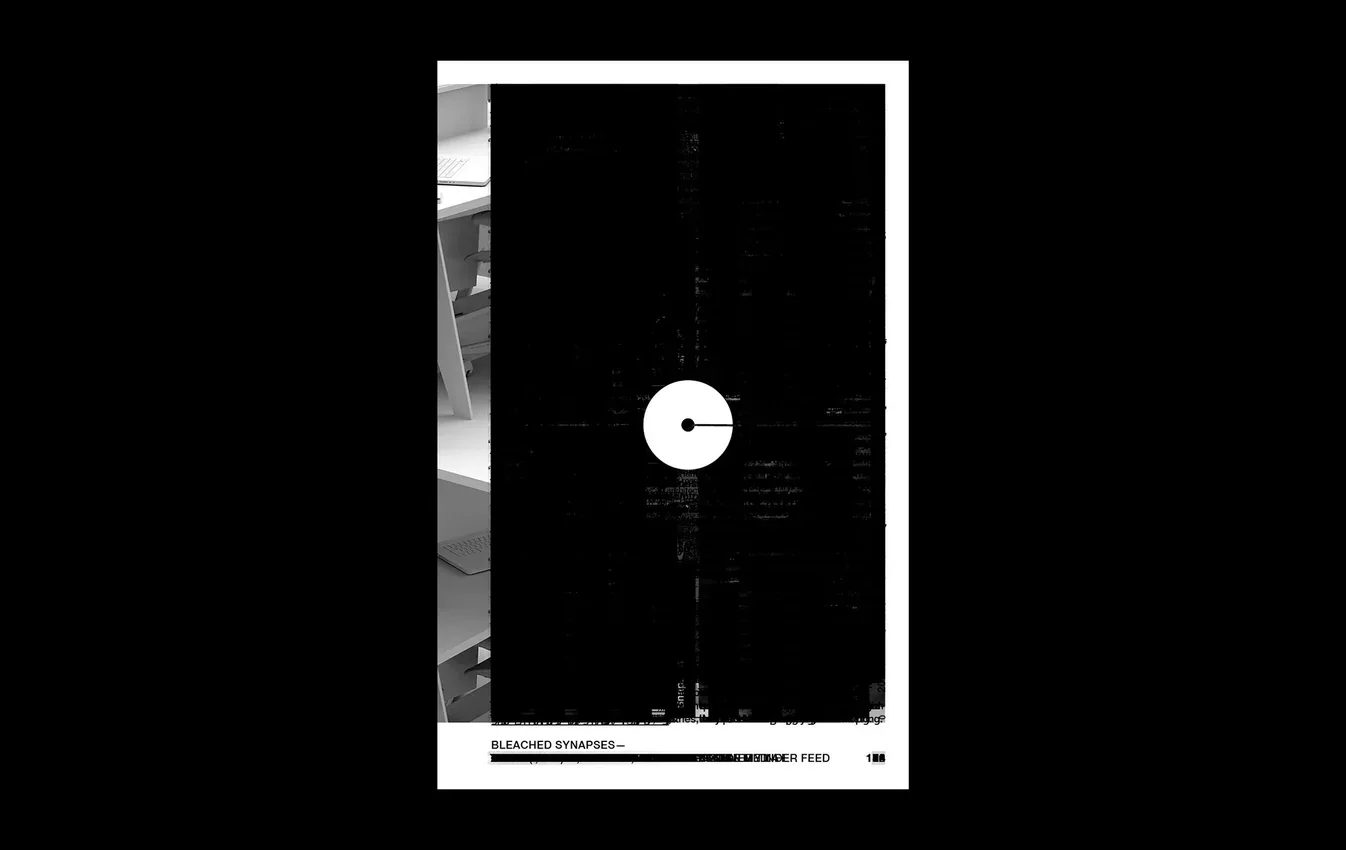
CLOG × Feeds cover, the series' first digital-only issue
Buy CLOG × Feeds: Apple Books ↗ · Kindle ↗ · Google Books ↗
Reflection
CLOG taught me how to build knowledge quickly, work with experts outside my immediate domain, and distill complex subjects into clear, considered editorial work. The discipline of producing a fully-researched, designed, and distributed publication on an annual cadence, often alone or in small teams, reinforced the habits of rigor and craft that define my design practice today.
The AI issue in particular created a thread that runs directly through my current work: designing experiences for systems that reason, retrieve, and generate, and understanding enough about how those systems work to design them well.